



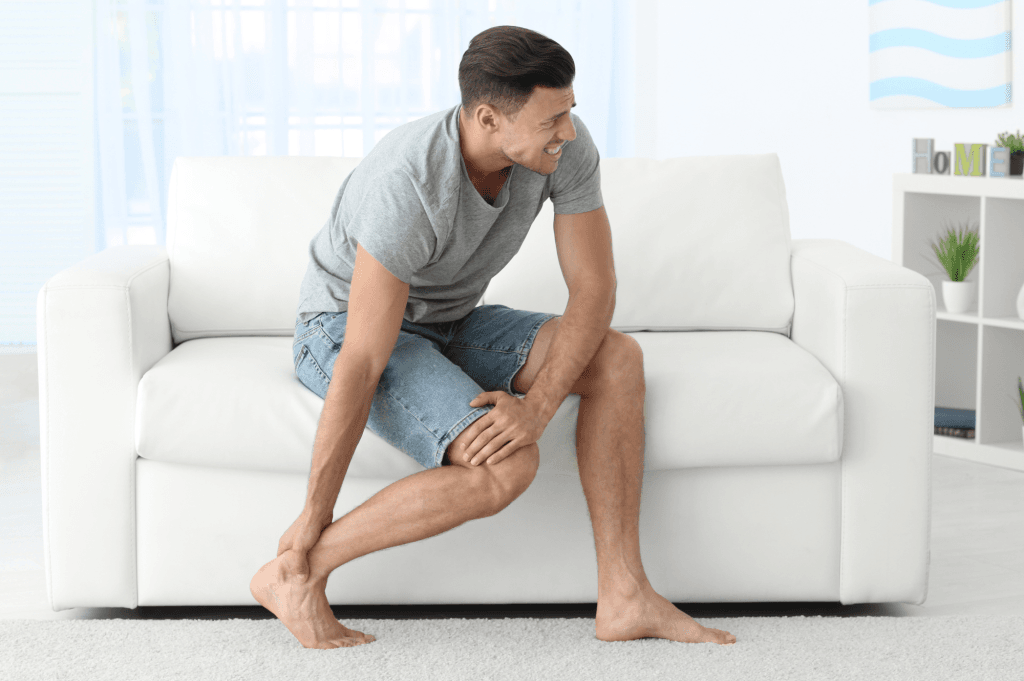
Foot, leg & knee pain
Understanding foot, leg & knee pain
Pain in the foot, leg, or knee can stem from various factors, including:
Overuse injuries – from repetitive activities like walking, running, or standing can cause shin splints, heel pain and ankle instability.
Arthritis – such as osteoarthritis, leads to joint pain and stiffness, especially in the knees.
Nerve compression – including sciatica, often results in radiating leg pain.
Circulatory issues – like peripheral artery disease (PAD) reduce blood flow, causing cramping and discomfort.
Muscle weakness – particularly in the glutes, can contribute to knee and hip pain, emphasising the need for strengthening exercises.
Addressing these concerns may involve a combination of rest, physical therapy, custom orthotics, proper footwear and medical intervention.
A tailored treatment plan can help alleviate pain, improve mobility and enhance overall well-being.
Consulting a podiatrist is key to identifying the root cause and developing an effective approach to recovery.
Pain can stem from…

Overuse injuries
from repetitive activities like walking, running, or standing can cause shin splints, heel pain and ankle instability.
Arthritis
such as osteoarthritis, leads to joint pain and stiffness, especially in the knees.
Nerve Compression
including sciatica, often results in radiating leg pain.
Circulatory Issues
like peripheral artery disease (PAD) reduce blood flow, causing cramping and discomfort.
Muscle weakness
particularly in the glutes, can contribute to knee and hip pain, emphasising the need for strengthening exercises.
Foot, leg & knee pain FAQs
Pain in these areas can result from overuse injuries, arthritis, nerve compression, circulatory issues, or muscle weakness. Common culprits include prolonged standing, repetitive movements, poor footwear and underlying medical conditions.
If you experience persistent pain, swelling, or discomfort that affects your daily activities, it’s best to consult a podiatrist. Early intervention can prevent further complications and promote faster recovery.
Yes, ill-fitting or unsupportive shoes can lead to various issues, including plantar fasciitis, shin splints and joint pain. Wearing proper footwear with adequate support and cushioning is essential for preventing and managing discomfort.
Rest, ice, stretching and wearing supportive shoes can help alleviate minor discomfort. Strengthening exercises and over-the-counter pain relief may also be beneficial. However if pain persists, seek professional advice.
Treatment varies depending on the cause but may include physical therapy, custom orthotics, footwear modifications, medication, or in some cases, medical intervention. A podiatrist will develop a personalised plan to address your specific needs.
Yes, targeted exercises, particularly for the glutes and lower limbs, can improve stability and reduce strain on the knees and hips. A podiatrist can recommend exercises tailored to your condition.
Not always. Foot pain can also result from structural issues, medical conditions like arthritis or diabetes, or even nerve and circulation problems. A thorough assessment can help identify the root cause.
Wearing proper footwear, maintaining a healthy weight, stretching regularly, and engaging in strength and stability exercises can help prevent pain and injuries. Regular podiatry check-ups can also ensure early detection of potential issues.